
Items & Equipment
Astonishia Story items and equipment guide — weapons, armor, relics and consumables, from simple iron gear to the legendary Flame Striker and the holy Wand of Kinan.
Introduction
The items of Astonishia Story range from the practical — weapons, armor and consumables that keep the party alive — to the legendary, with relics and blades that carry whole stories of their own. At the center of everything stands the Wand of Kinan, the holy staff stolen in the opening scene whose recovery drives the entire plot, while blades like the Flame Striker and Galangan define the characters who wield them. The Items hub catalogues what the game equips: the swords, armor and accessories your knights, wizards, monks and archers carry onto the grid, the consumables that keep them fighting, and the relics that anchor the lore. Shop and treasure guidance points you to where gear is found, while tactical analysis explains what each item does for a unit on the battlefield.
Iconic Items of Astonishia
| Item | Type | Story Role | Gameplay Note |
|---|---|---|---|
| Wand of Kinan | Holy Relic | The stolen staff at the heart of the plot | Recovering it is Lloyd's mission from the opening scene |
| Flame Striker | Legendary Sword | Wielded by Francis De La Cross | A blade with a legend tied to its wielder's ambitions |
| Galangan | Legendary Sword | Wielded by the young warrior Hataik | An heirloom of the Asakan bloodline |
| Healing Consumables | Items | Support gear between battles | Keeps the party alive through long routes and tough fights |
Item Spotlights
Wand of Kinan
The holy staff whose theft starts the whole story
Flame Striker
The legendary sword carried by Francis De La Cross
Galangan
The heirloom blade of the Asakan bloodline
Consumables & Shop Gear
The everyday equipment that keeps the party fighting
Core Mechanics
Items in Astonishia Story divide into practical gear and legendary relics. Practical equipment — weapons, armor, accessories and consumables — comes from shops, chests and story rewards, and its job is steady progression: frontline units need current armor, damage dealers need current weapons, and consumables smooth over the mistakes every player makes on long routes. The legendary tier is where the lore lives: the Wand of Kinan is the story's engine, and blades like the Flame Striker and Galangan carry the identities of their wielders. This hub treats both tiers seriously, combining where-to-find guidance for gear with story context for the relics, so item choices and narrative understanding reinforce each other.
Advantages
A solid item foundation removes one of the most common failure points in classic JRPGs: arriving at a boss fight with under-equipped, out-of-stock heroes. Knowing which shops open when, which gear matters for each class and which consumables are worth stocking turns those losses into wins. The legendary items add the other half of the value — understanding what the Wand of Kinan, Flame Striker and Galangan mean makes the story's scenes land with their full weight, and gives veterans of the original a clean route through the remake's item-related changes. Because the item list is anchored to verified sources rather than speculation, you can plan your shopping route and consumable strategy with confidence, then refine the exact numbers once the western build is playable.
Challenges
Item detail for the western remake is inherently limited before launch: exact prices, stats, item lists and drop locations in the 2027 build have not been published. The hub anchors on items that verified sources name — the Wand of Kinan, Flame Striker, Galangan and the general gear categories — while precise numerical comparisons must wait for hands-on testing. Treat specific item stats as directional and check the Updates hub for any announced changes to the western version's item economy. What the hub can already offer reliably is the role each named artifact plays in the story and which gear categories matter for each class, so use it for planning your build philosophy now and refine the numbers once the game is out.
Frequently Asked Questions
What is the most important item in Astonishia Story?+
Where can I buy equipment?+
Are there hidden or legendary weapons besides the Flame Striker?+
How important are consumables?+
Quick Tips
Upgrade frontline armor before weapons — a knight who survives holds the lane; a knight who dies takes the best weapon in the game with them. In a grid-based battle, keeping the tank alive for one more turn is worth more than a small damage bump on a character who keeps falling. Check the walkthrough's per-chapter item notes to see which shops open when, and prioritize the defense upgrades before every dungeon that the guide flags as difficult.
Buy consumables at every new shop and restock before dungeons; the small gold cost beats the large cost of a forced retreat. Healing items are the safety net that turns a near-wipe into a clean clear, so carry enough for the longest stretch between save points. Learn which consumables restore MP or cure status effects in the remake, because a stocked bag lets you finish a dungeon in one trip instead of backtracking to town.
Check the walkthrough's item notes per chapter — it marks the exact fights where healing items and gear upgrades matter most. Knowing the hardest encounter ahead lets you save your strongest consumables instead of burning them on random fights. Before each flagged battle, verify your frontline armor is current, your healer has spare MP items, and every character carries at least one healing item as insurance against a bad turn.
Read the lore on relics as you find them; the Wand of Kinan and the legendary blades gain real weight with their story context. Item descriptions in classic JRPGs often hide plot foreshadowing, so the text you read when looting a chest may connect to a scene several chapters later. Keep the story hub open while playing and glance at the item lore pages whenever the game hands you a named weapon or artifact.
Featured

Astonishia Story Consumables Guide: Healing & Vendors
Stay stocked with this Astonishia Story consumables guide covering potion types, buff consumables, and the best town vendors between dungeon runs.
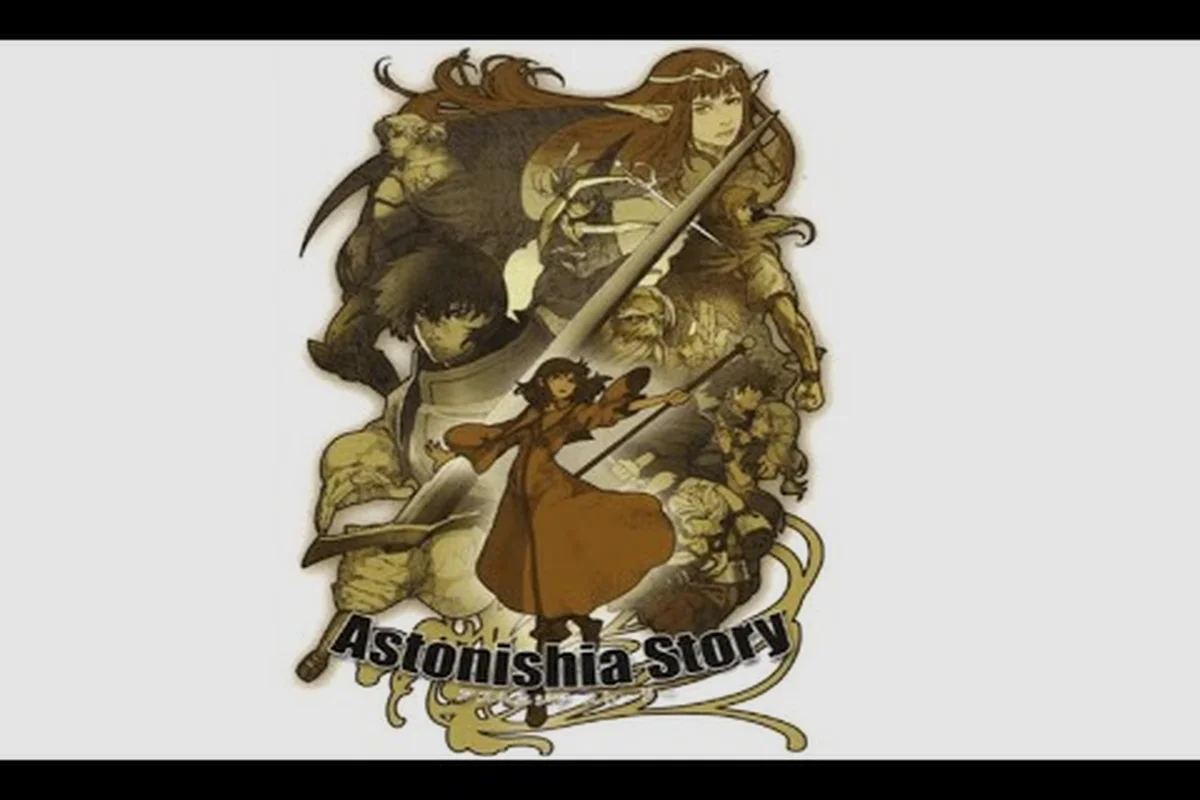
Astonishia Story Items Guide: Equipment & Best Picks
Gear up smarter with this Astonishia Story items guide covering weapon and armor lists, relic types, and the strongest equipment by tier.
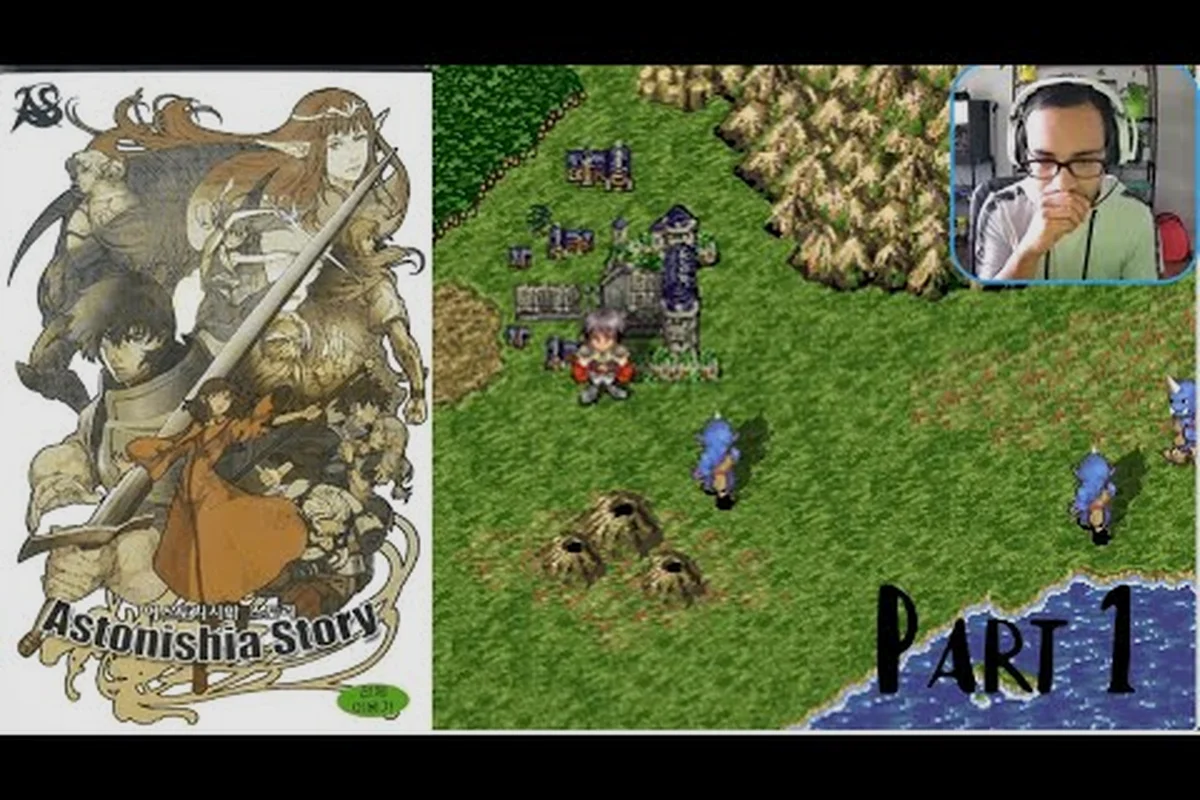
Astonishia Story Wand of Kinan: Sacred Relic Locations & Stats
Track the Astonishia Story Wand of Kinan with this guide covering sacred artifact locations, the Flame Striker, and the Galangan Sword across the HD remake.
All Articles

Astonishia Story Item Effects: Key Items, Relics & Farming
Track every usable object in the HD remake with this Astonishia Story item effects guide covering quest triggers, relic stat bonuses, and the best farming spots.

Astonishia Story Lategame Equipment: Crafting & Slot Upgrades
Max out your arsenal with this Astonishia Story lategame equipment guide covering synthesis routes, weapon upgrade paths, and slot optimization.
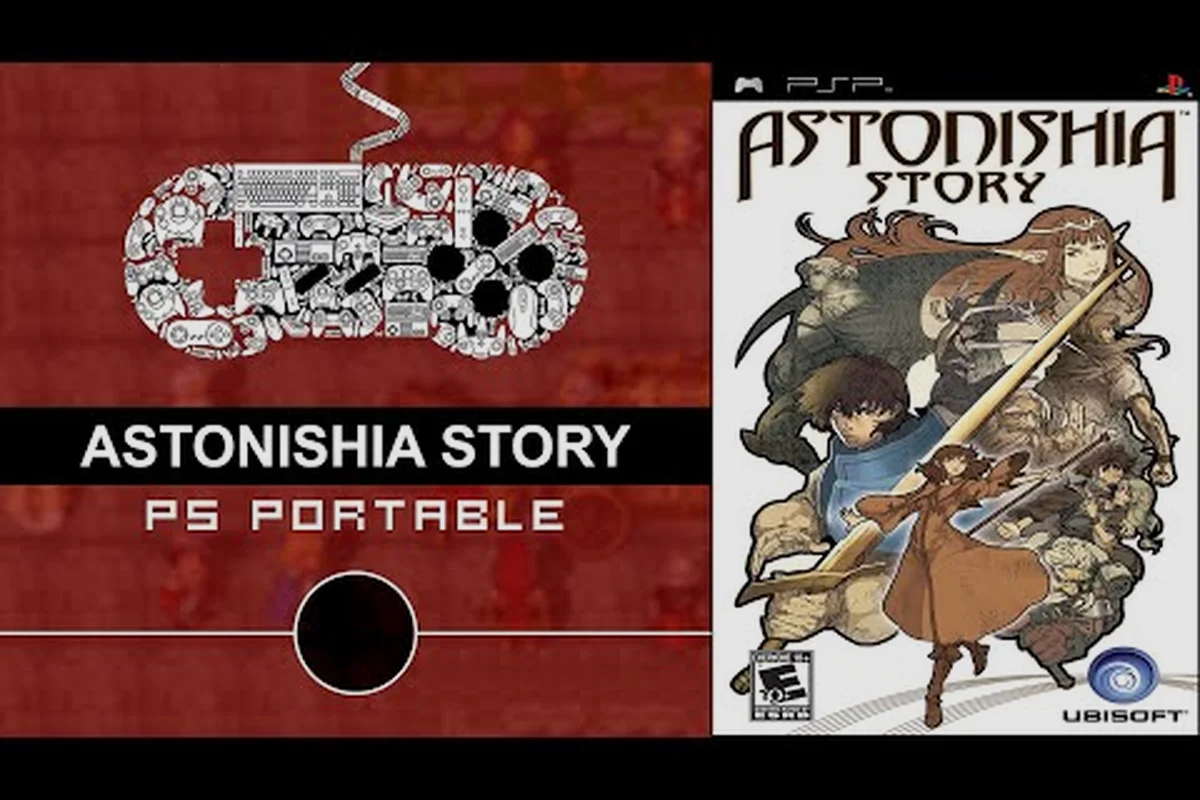
Astonishia Story Items: Weapons, Armor & Relic Catalog
Browse the full equipment catalog with this Astonishia Story items guide covering weapons, armor, relics, potions, and accessories organized by tier and drop source.

Astonishia Story Where to Buy: Shops, Chests & Gear Pickups
Find every pickup with this Astonishia Story where to buy guide covering top shops, chest routes, rare drops, and gear worth a return trip.