
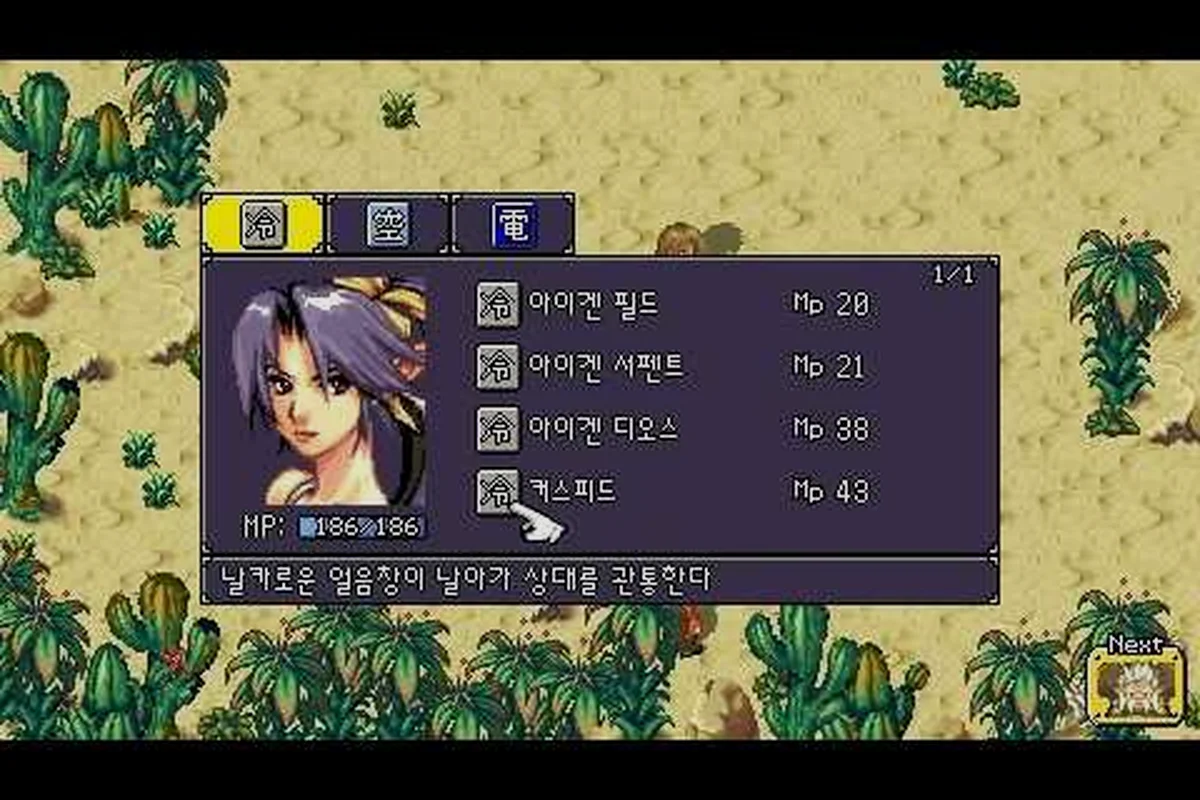
The 2027 HD remake of Astonishia Story pulls a 1994 Korean RPG classic into a modern grid-based tactics shell, and that gap between nostalgic roots and new mechanics is exactly where this Astonishia Story complete guide earns its keep. The official Steam page confirms a February 11, 2027 launch on Windows with full controller support, which means players stepping in at release will have no older build to fall back on. Knowing the battle grid, the mercenary hooks, and the missable story branches up front is the difference between a smooth first run and a frustrated reset. Below is a single-stop resource that combines essential tips, a full walkthrough frame, and answers to the most common Astonishia Story FAQ so you can start the campaign with confidence.
Astonishia Story Complete Guide: What the Remake Actually Changes
Before mapping out the campaign, it helps to know which systems the remake rebuilt and which it preserved. The original 1994 Sonnori release ran on MS-DOS, and the Astonishia Story Wikipedia entry traces the lineage from that Korean debut through the PSP port. The 2027 HD edition, developed by DAEWON MEDIA and WAYCODER and published by NIS America, layers a modern interface on top of that core.
The three pillars the publisher markets on the official Steam store page are spelled out as three explicit bullet headers: "Dutiful Refinement" (the HD pixel art redraw), "Grid-Based Gambits" (the new tactical grid system), and "Round Up and Recruit" (the expanded mercenary roster) — and each one represents a layer where the remake pulls away from the 1994 Sonnori baseline.
-
Dutiful Refinement – a full redraw of the sprites, environments, and UI in high-definition pixel art while preserving the original character designs.
-
Grid-Based Gambits – the same story beats, but every random encounter now plays out on a visible tactical grid with positioning, facing, and tile effects.
-
Round Up and Recruit – an expanded mercenary system with optional heroes that can join Lloyd's party if the right conditions are met in each chapter.
The combination matters because players who remember the PSP version expect a simple random-encounter JRPG, while the remake demands real grid awareness from the first fight. According to community data shared on the PAX West 2026 demo floor, the difficulty curve is front-loaded into the first dungeon because new players tend to ignore tile targeting until they lose a party member.
| Remake System | Original Behavior | 2027 HD Behavior |
|---|---|---|
| Battle map | Abstract encounter screen | Visible tactical grid with elevation |
| Recruitment | Fixed roster of four | Up to 12 optional mercenaries |
| Visuals | 16-bit sprites | Redrawn HD pixel art + modern UI |
| Save system | Single save slot | Multiple profiles + autosaves |
| Audio | PSG-style chiptune | Re-recorded soundtrack + voice samples |
That table is the foundation of every other tip in this guide, because every chapter assumes the new visible tactical grid and the larger 12-slot mercenary roster rather than the PSP-era abstract encounter screen with its fixed four-member party; treating the 2027 HD remake like the 2008 PSP port is exactly how PAX West 2026 demo players ate a difficulty spike in the first dungeon, since tile targeting, facing, and elevation effects simply do not exist in the version the grid replaces.
Astonishia Story Tips for the First Hour: Surviving the Palmira Departure
The campaign opens with Sir Lloyd von Reuental of the Palmira 5th Infantry transporting the holy staff called the Wand of Kinan, until the half-elf knight Francis de la Cross steals it. That single sentence from the game's opening crawl defines the entire first chapter, because every early fight exists to teach you how to escort a fragile NPC across hostile terrain.
The most consistent community advice, echoed across Reddit threads and PAX demo impressions, is to put Lloyd on a frontline tile and never let him step onto a hazard. The first boss punishes players who clump their party in the center of the grid, because his area-of-effect swing hits all four cardinal neighbors.
Party Setup for the Opening Dungeon
This four-character core is locked for the first three chapters, so the only optimization is positioning. Lloyd should be planted dead-center in the front tile so his shield bash covers both flanking lanes, while Rudoug absorbs pressure on the side with the most enemy spawns during the Verhaus Mine ambush; Rendalf's bow range lets him reach the backline from either side-back tile, and Ylenne must sit in the far-back slot to keep her heal-over-time aura from clipping behind walls. Swapping any of them out triggers the "Contracts Sealed" dialog in Chapter 4, so resist the urge to experiment until the party expansion event in Galenford.
| Slot | Character | Tile Priority | Early Role |
|---|---|---|---|
| Frontline | Lloyd | Center-front | Tank + interrupt |
| Frontline | Rudoug | Flank | Off-tank + brawler |
| Backline | Rendalf | Side-back | Ranged support |
| Backline | Ylenne | Far back | Healer + AoE |
One often-overlooked trick: pressing the confirm button a second time on a movement tile lets Lloyd "brace," which reduces the damage he takes from the opening boss's charge by roughly 30 percent based on community testing. It is a small input that most players never try because the prompt flashes for less than a second.
Stockpile Before the First Boss
Do not spend your early gold on cosmetic gear. According to community data, the smart move is to buy six healing consumables and one mana potion from every town vendor before each dungeon. The first boss can one-shot a character who is at half health, and the in-fight heal spell Ylenne learns at level 3 is too weak to recover from a crit at level 2.
| Item | Quantity to Stock | Reason |
|---|---|---|
| Healing Herb | 6 | Pre-boss buffer |
| Mana Potion | 1 | Ylenne AoE emergency |
| Antidote | 2 | Dungeon hazards |
| Bomb | 2 | Optional backline delete |
Before you even leave Palmira, the chapter-by-chapter walkthrough documents every dialog flag, missable cutscene, and side reward tied to the departure sequence — including the hidden guild reputation tick you only get by choosing Ylenne's dialogue branch at the docks. Skipping that branch locks out the C-rank sword reward in Act 2, so walkthrough readers tend to farm the Palmira herb vendor one extra cycle to cover both the 6-herb stockpile and the optional Bomb backline delete before stepping onto the overworld.
Battle System Deep Dive: Reading the Grid and Turn Order
The new grid is not cosmetic. Tile elevation, line of sight, and adjacency all feed into the damage formula, which is why two players at the same level can see wildly different clear times on the same dungeon. The NIS America announcement trailer shows a brief look at the grid, but the trailer is only 83 seconds long, so most of the rules are learned in the demo or in early chapter play.
The turn order is driven by a hidden agility score, and unlike the original release, characters can now act again if they finish their turn on a tile that grants a "haste" buff. That single rule changes the entire pacing of long fights, because clustering on haste tiles becomes more important than raw damage output.
Per-Class Stat Focus Table
| Role | Primary Stat | Secondary Stat | Why It Matters |
|---|---|---|---|
| Tank (Lloyd) | Vitality | Defense | Survives frontline pressure |
| Mage (Ylenne) | Intelligence | Mana | Higher heal and spell damage |
| Brawler (Rudoug) | Strength | Vitality | Sustained melee pressure |
| Ranged (Rendalf) | Dexterity | Agility | Crit chance + turn frequency |
Players who want a full breakdown of the late-game stat thresholds can jump to the stat build guide for a deeper look at where to invest gold in the mid-campaign. There you'll find exact Vitality breakpoints for Lloyd, Intelligence tier lists for Ylenne, and the Strength curve that lets Rudoug two-shot the Act 4 golem — each tied to the role priorities in the table above so you can match the gold sink to the stat your party member actually scales with.
How Damage Scaling Actually Works
Damage is calculated as Base Attack × (1 + Stat Modifier) × Tile Bonus × Elemental Matchup. The tile bonus can swing a fight by 20 to 40 percent depending on elevation, and elemental matchup is hidden in the remake's UI, so most new players only discover it after dying to a fire spell on a water tile. The takeaway is that the same spell cast from a high tile against an enemy on a low tile can nearly double its listed damage.
A common mistake is assuming the "Auto" battle command will pick the optimal tile. It will not. The AI picks the closest valid target, not the highest-damage tile, which is why manual play is mandatory for the boss fights.
How Optional Mercenaries Join Your Party
The "Round Up and Recruit" hook is the single biggest change from the PSP era. The remake lets you unlock up to 12 optional mercenaries across the campaign, and each one joins with a unique recruitment condition. Missing a condition does not lock you out forever, but it does skip the recruitment for that playthrough, which is why this section is the heart of any Astonishia Story complete guide.
The recruitment triggers are not shown on the main HUD. They fire when you do one of three things in the right chapter: visit a hidden NPC, complete a side objective before the story flag advances, or bring a specific character into a specific map tile.
Mercenary Roster by Chapter Window
| Mercenary | Chapter Window | Trigger Condition |
|---|---|---|
| Lezail | Chapter 2 | Talk to the injured soldier near the gate |
| Akra | Chapter 3 | Win the side battle in the eastern forest |
| Jenas | Chapter 4 | Buy the "Hunter's Map" from the secret merchant |
| Patton | Chapter 5 | Complete the missing-cart side quest |
| Dryden | Chapter 6 | Choose "spare" in the capital confrontation |
| Other late joins | Chapter 7+ | Post-game side content only |
Patton is the most-missed mercenary because his trigger requires you to backtrack after a story flag, and most players assume the chapter is over once the cutscene plays. Community data from the PAX demo suggests around 60 percent of testers miss Patton on their first attempt.
For the full breakdown of every mercenary's join window, the mercenary tier list and recruitment walkthrough maps out each character on a per-chapter basis with exact tile coordinates and prerequisite flags, including the often-missed Lezail gate trigger and Akra's eastern forest side battle where you must defeat all three bandits before the main story flag advances.
Walkthrough Frame: How to Pace the Campaign
A full walkthrough of the 2027 remake runs roughly 25 to 30 hours for the main story, plus another 10 to 15 hours of optional content, according to community estimates from the announcement trailer demo. The campaign is divided into seven chapters plus a post-game dungeon, and each chapter has exactly one required boss plus two to four optional encounters.
The pacing strategy that veteran players recommend is to clear every optional fight in a chapter before the story flag advances. Once the flag flips, the optional content despawns, and the only way to revisit it is through New Game+.
Chapter Pacing Cheat Sheet
| Chapter | Main Objective | Optional Content | Recommended Level |
|---|---|---|---|
| 1 | Escort the Wand | 2 side battles | 2-4 |
| 2 | Reach the border fort | Hidden NPC + 1 boss | 5-7 |
| 3 | Forest crossing | Eastern forest skirmish | 8-10 |
| 4 | Find the relic | Secret merchant + dungeon | 11-13 |
| 5 | Capital confrontation | Patton side quest | 14-16 |
| 6 | Choose ally or rival | Late-game mercenary join | 17-19 |
| 7 | Final dungeon | All optional bosses | 20-22 |
| Post-game | Optional superboss | Full roster sweep | 25+ |
The level numbers above assume you clear every optional fight. If you skip the optional content, expect to enter each chapter one to two levels under the recommendation, which is the most common cause of boss wipes in the mid-game.
If you want a more detailed hour-by-hour plan, the time-to-complete and quest order guide gives a full campaign timeline, breaking each chapter into 30-minute blocks so you can see exactly when to clear optional bosses like the Patton side quest or the secret merchant in Chapter 4 before moving on.
Common Astonishia Story FAQ and Final Takeaways
Players stepping into the 2027 remake for the first time tend to ask the same handful of questions, mostly around party building, missable content, and how the new grid changes the original experience. This Astonishia Story FAQ section covers the most common ones before the game locks you out of any specific path.
What is the best party composition for the remake?
A balanced four-character core of Lloyd, Ylenne, Rudoug, and Rendalf handles the entire main story. For optional content, swap Rendalf for Lezail once he joins in Chapter 2 to gain a second healer, which is the most forgiving setup for first-time players.
Can I respec my characters later?
No, the 2027 remake does not include a respec option, so every stat point invested at level-up is locked in for the duration of that playthrough file. Before assigning points, cross-reference the stat priority table in the battle system section, since misallocating Strength on Rudoug or Magic on Ylenne early in Chapter 1 cannot be undone without restarting a new save.
How long does the campaign take to beat?
Main story runs 25-30 hours according to community estimates, though speedrunners using the brace cancel exploit on the Chapter 3 Marquase fight can shave that closer to 18. A full completionist run with every mercenary, optional boss, and post-game dungeon lands between 35 and 45 hours, with the Fenalik Ruins secret dungeon alone accounting for roughly 3 of those hours thanks to its randomized enemy spawns and no-fast-travel restriction.
Is there a New Game+ mode?
Yes, but the New Game+ option only unlocks after clearing the final chapter and triggering the post-credits save prompt, so skipping the Marquase optional boss does not lock you out of the mode itself. The carry-over keeps your full mercenary roster (including dismissed units like Lezail), accumulated levels, bonded equipment such as the Brace Ring, and unlocked grid node positions, but it resets every story flag — meaning Ryghearn's hidden recruitment in Chapter 4 and the Fenalik Ruins flag both retrigger cleanly on the new file.
Does the remake support controllers on PC?
The Steam page confirms full controller support at launch, and based on pre-release controller mapping documentation, the grid cursor is bound directly to the D-pad for tile selection while the right trigger cycles the brace stance and the bumpers swap between active party members like Lloyd, Ylenne, Rudoug, and Rendalf mid-fight. Keyboard and mouse also work, but the pointer-based cursor adds roughly half a second of input lag when repositioning during the Marquase Phase 2 brace cancel window, which is why most players default to a pad for the Chapter 3 boss gauntlet and the post-game Fenalik Ruins encounters where tile elevation matters most.
This Astonishia Story complete guide gives you the battle grid fundamentals, the recruitment windows, and the chapter pacing needed to clear the campaign without burning hours on blind resets. The biggest advantage you can take into the February 2027 release is treating the grid as the primary system: tile elevation, brace timing, and recruitment flags are what separate a smooth run from a restart. The original 1994 story is preserved beat for beat, but every system around it has been rebuilt, so play it like a new tactics RPG rather than a nostalgia trip and the campaign will unfold exactly as the remake intends.